

Why Every Hindu Home Should Have a Diya Lamp
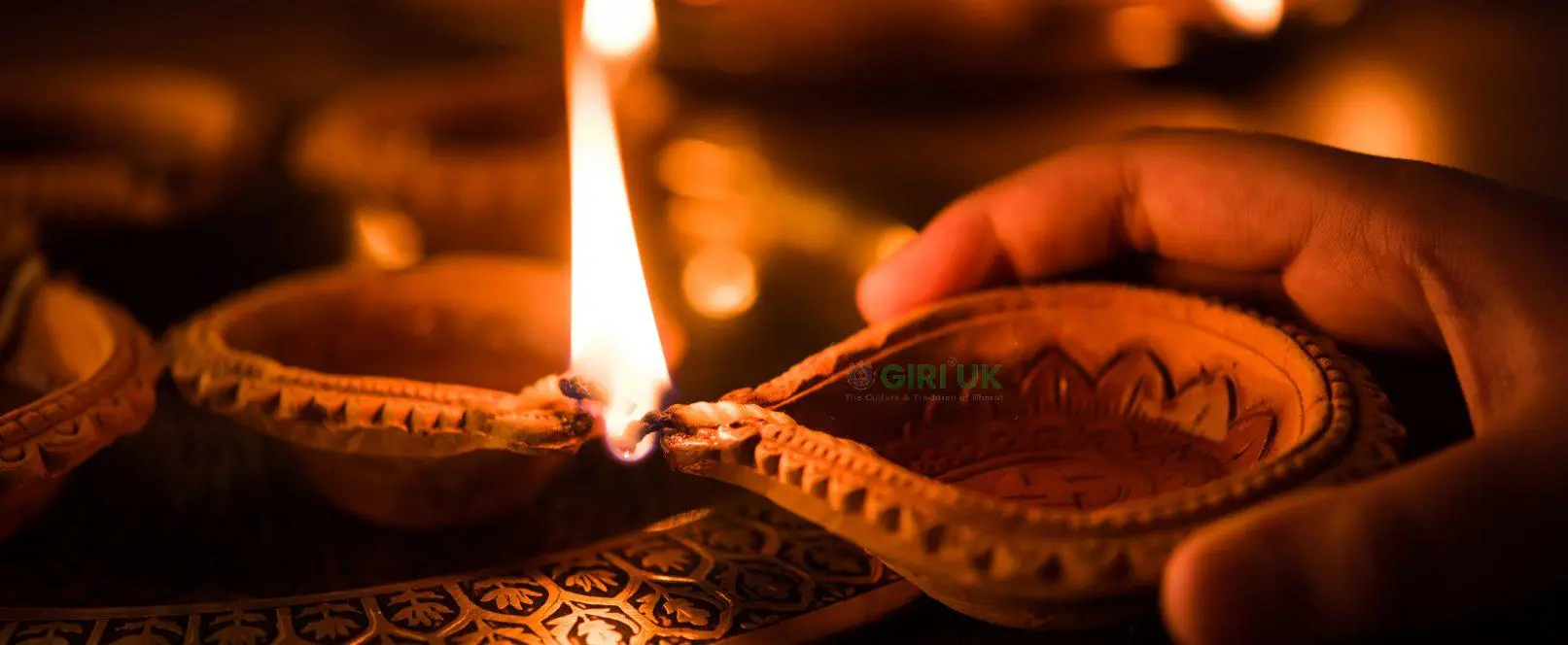
The diya lamp, a simple earthen or brass oil lamp, is a timeless symbol of light, purity, and spiritual awakening deeply embedded in Hindu culture and religious practice. Every Hindu home traditionally maintains at least one diya as an essential part of daily worship and festive occasions. Beyond its role as a source of physical light, the diya lamp holds profound spiritual, cultural, and energetic significance that enriches devotional life and transforms the atmosphere of the home. This article explores why every Hindu home, including those in the UK diaspora, should embrace the diya lamp as a sacred and indispensable fixture.
Symbolism of the Diya Lamp
At its core, the diya represents the victory of light over darkness, knowledge over ignorance, and good over evil. Lighting a diya during prayer or puja is a symbolic invocation of divine energy, illuminating the path to inner wisdom and spiritual awakening. The steady flame, rising upward, embodies the soul’s aspiration toward moksha (liberation) and higher consciousness. It reminds devotees that even a small flame can dispel the deepest darkness, encouraging them to cultivate inner light and positivity in their lives.
Role in Daily Worship and Rituals
In Hindu homes, lighting a diya is more than tradition—it is the starting point of every puja. Before prayers or meditation, the diya is lit to purify the space and create an auspicious environment. It is believed that the flame, embodying Agni, the fire deity, acts as a conduit between the devotee and the divine, carrying prayers and intentions upward. The ritual lighting connects the material world to the spiritual, inviting blessings, protection, and prosperity into the household.
Diyas are also fundamental during festivals such as Diwali, Karthika Deepam, and Navratri, where rows of glowing lamps adorn homes, temples, and public spaces. This illumination symbolizes collective joy, hope, and renewal, fostering community bonding and spiritual upliftment.
Energetic and Scientific Benefits
Beyond symbolism, the diya’s flame generates positive energy and balances the five elements (earth, water, fire, air, and ether) within the environment. According to Vedic wisdom, the purified energy produced by lighting an oil or ghee lamp removes negative vibrations and enhances mental clarity and emotional stability. The warm light stabilizes emotions and stimulates vital chakras such as the Manipura (solar plexus), promoting inner strength and calmness.
For families living in the UK and other diasporas, incorporating diya lamps into daily rituals helps harmonize the home’s energy, protect from stress, and maintain cultural continuity far from their ancestral roots.
Cultural Heritage and Emotional Connection
The diya lamp also serves as a powerful cultural anchor connecting generations. It’s a symbol passed down from ancient scriptures to modern households, embodying shared values of hope, purity, and devotion. Lighting a diya reminds families of their rich spiritual heritage and offers a moment of mindfulness that fosters gratitude and inner peace amidst today’s fast-paced world.
Giri UK offers a beautiful range of diya lamps, including traditional brass diyas, eco-friendly clay diyas, and decorative designs suited for UK homes. These lamps allow diaspora families to uphold the timeless tradition with authenticity and convenience.
Wrapping Up
The diya lamp is far more than a ritual object—it is a radiant symbol of divine presence, spiritual wisdom, and cultural identity. Every Hindu home benefits spiritually, energetically, and emotionally by including a diya as a daily fixture. It brings auspicious light, purifies the environment, and inspires the inner journey toward enlightenment. In modern homes worldwide, especially within the UK diaspora, the diya remains a treasured emblem of faith and hope that continues to illuminate hearts and homes.
Explore Giri UK’s exclusive collection of diya lamps to bring this sacred light into your home and enrich your devotional practice with heritage and positivity.
Comments