

Tamil Calendar in the UK: Significance, Festivals, and Auspicious Days
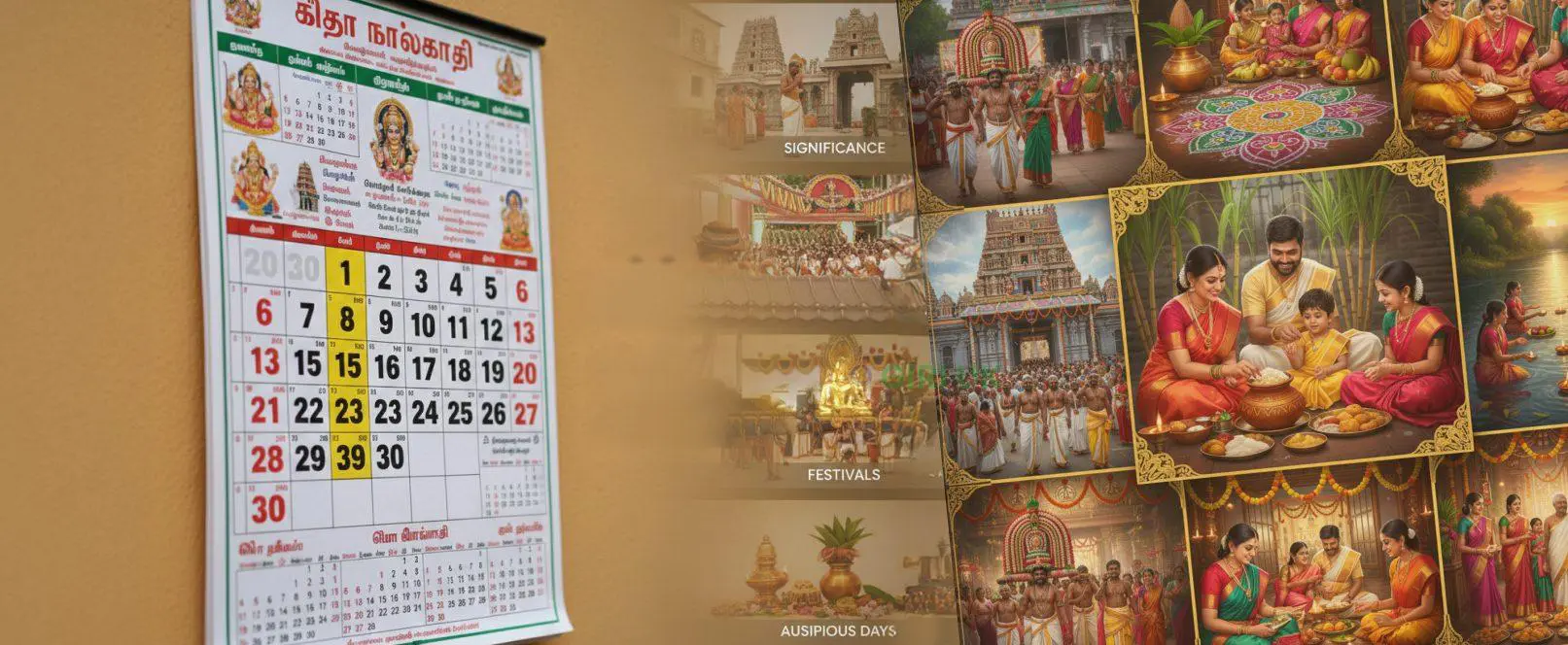
The Tamil calendar holds profound cultural, religious, and spiritual importance for the Tamil diaspora in the UK, acting as a vital link to their heritage and community traditions. Rooted in a lunisolar system combining solar and lunar elements, this traditional calendar governs the timing of sacred festivals, auspicious days, and agricultural cycles. For Tamils living abroad, observing the Tamil calendar nurtures cultural unity and identity while providing a rhythm to spiritual and social life far from home.
Significance of the Tamil Calendar
The Tamil calendar starts mid-April with the month of Chithirai and comprises twelve months named after stars or constellations. It intricately tracks lunar phases and solar transitions, helping determine auspicious times (muhurthams) for rituals, marriages, and festivals. The calendar also guides religious observances by marking specific days like Pournami (full moon), Amavasya (new moon), and festival days tied to deities and saints important in Tamil culture.
In the UK, where the Tamil community is vibrant, people use the Tamil calendar to preserve age-old customs and celebrate festivals synchronously, fostering spiritual connection and cultural pride across generations.
Major Festivals Celebrated According to the Tamil Calendar in the UK
- Puthandu (Tamil New Year – Chithirai Month): Celebrated in mid-April, this festival marks new beginnings, mirroring spring’s arrival. Families clean homes, prepare festive meals, and perform special poojas to invite prosperity. Local UK Tamil communities often hold cultural programs and temple events to mark Puthandu collectively.
- Vaikasi Vishakam (Vaikasi Month): Celebrating Lord Muruga’s birthday, this festival involves processions, prayers, and kavadi offerings. UK Tamil temples recreate these rituals, allowing diaspora devotees to participate fully.
- Aadi Perukku (Aadi Month): Dedicated to water’s life-giving power, this festival is celebrated along riverbanks or sacred waters. Tamil families in the UK honor the water element symbolically through prayers.
- Thaipusam (Thai Month): Marking Lord Murugan’s victory over evil, Thaipusam is one of the most significant and visually striking festivals, involving kavadi bearing, fasting, and offerings. UK Tamil communities organize temple events and processions during Thaipusam, fostering deep cultural bonds.
- Pongal (Thai Month): A harvest festival and thanksgiving to nature, Pongal celebrations in the UK include cooking special dishes, performing rituals, and community gatherings, reinforcing the agricultural roots of Tamil culture.
- Karthigai Deepam (Karthigai Month): Known as the Festival of Lights, Karthigai Deepam involves lighting rows of traditional lamps (diyas) symbolizing divine light. Diaspora families light diyas at home and temples uphold grand celebrations.
- Margazhi Month Observances: With special emphasis on early morning recitations and spiritual practices, Margazhi month is considered auspicious for meditation and bhajans, practiced earnestly by many Tamils in the UK.
Auspicious Days and Cultural Practices
The Tamil calendar highlights several auspicious days such as Ugadi, Karthigai Pournami, and Navarathri, which dictate cultural, religious, and social activities. Astrology linked to the calendar guides families in the UK for weddings, naming ceremonies, and other significant life events, ensuring tradition aligns with favorable cosmic timings.
The Tamil calendar also underpins the timing of periodic temple festivals (Mahakumbabishekam) and community gatherings in the UK, creating a lively calendar of continuous cultural engagement.
Keeping the Tamil Calendar Alive in the UK
Digital Tamil calendars, printed almanacs, and mobile apps adapted for UK time zones help Tamil diaspora stay connected with festival dates and auspicious timings. Temples across the UK organize events based on this calendar, offering a platform for cultural education and celebration.
Families incorporate Tamil calendar observances with local British life, blending traditions respectfully and creatively, enriching the multicultural fabric of the UK.
Conclusion
The Tamil calendar is much more than a timekeeping system for Tamils in the UK—it is a vibrant cultural compass guiding spiritual practice, festivals, and communal identity. By honoring these traditions and observing festival days and muhurthams, Tamil families abroad nurture a strong link to their roots and ensure the flame of heritage continues to glow brightly in every generation.
Several UK-based online resources and temples provide tailored Tamil panchangams and event schedules for those interested in Tamil calendar details and festival dates, helping diaspora communities celebrate their culture fully and meaningfully. For all your pooja essentials, do feel free to shop all your favourites from GiriUK.
Comments