

Mahar Sankranti
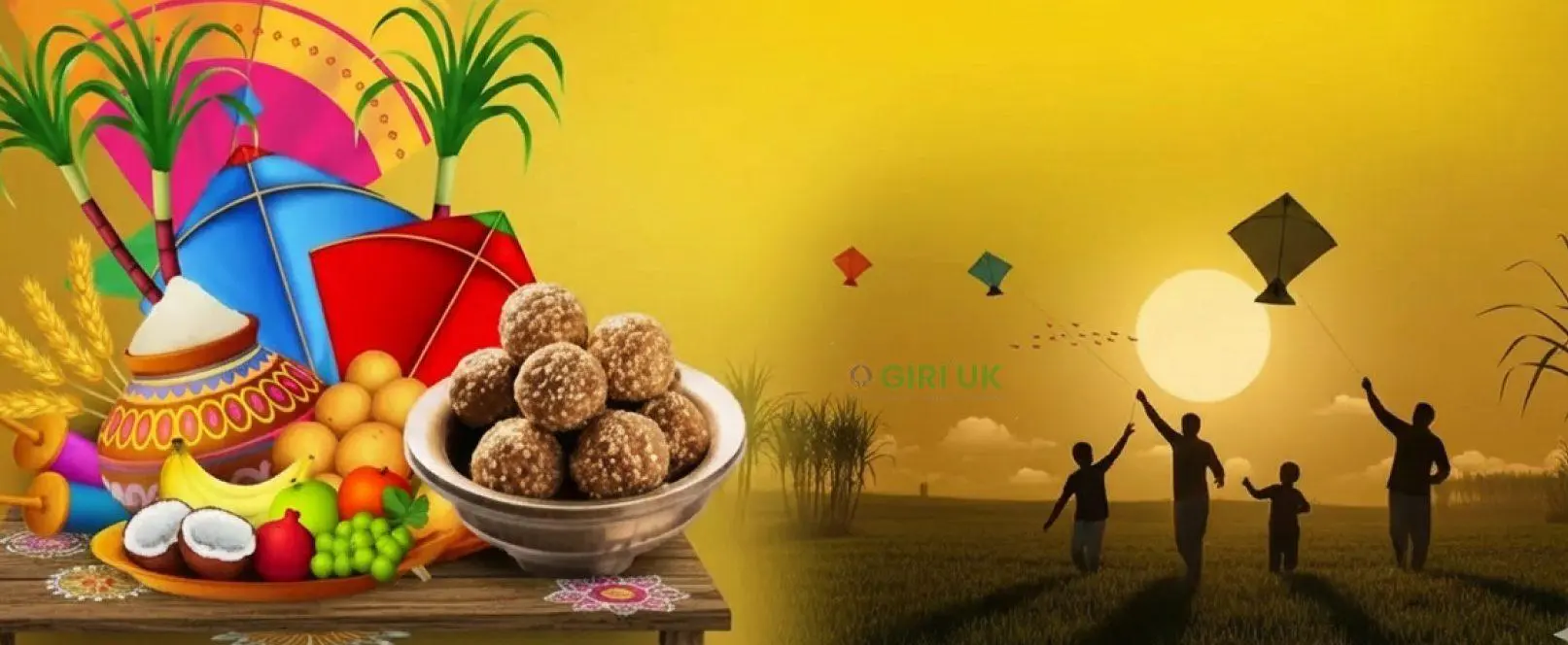
Makara Sankranti is a time when every Indian, from north to south, thanks the Sun, welcomes longer days, and prays for a prosperous year ahead. For those living in the UK, it is also a chance to recreate the warmth of home with a simple, meaningful puja using authentic items from Giri UK.
What is Makara Sankranti?
Makara Sankranti is the day when the Sun moves into the zodiac sign of Makara (Capricorn), marking the start of Uttarayana, the Sun’s northward journey. It usually falls on 14 January every year and is considered a time when light, hope, and positive energy begin to increase.
Across India, people celebrate it with different names and styles: Pongal in Tamil Nadu, Lohri in Punjab, Uttarayan in Gujarat, and simply Sankranti in many northern states. The festival’s essence is the same, regardless of its name: gratitude to the Sun, nature, and all that sustains life.
If you want to understand the more profound meaning of these festivals, you can explore the Books section on Giri UK for titles on Hindu festivals and Sanatana Dharma that are written in simple language. These books help children and adults in the UK connect with the stories and values behind each ritual.
Why do we celebrate Makara Sankranti?
People celebrate Makara Sankranti as a day to express gratitude to the Sun, the fields, the cows, and all the natural forces that provide sustenance and life. It is also seen as a day to let go of negativity and invite new beginnings with faith and prayer.
In different parts of India, the festival carries beautiful meanings. In Tamil Nadu, people cook Pongal with the new rice and offer it to Surya Bhagavan as a sign of gratitude. In Maharashtra, families exchange til-gul (sesame and jaggery sweets) and say, “Til-gul ghya, god, god bola,” reminding everyone to speak sweetly and live in harmony. In Bihar and Uttar Pradesh, devotees offer khichdi and take holy dips, praying for blessings and purity.
For families in the UK, the essence remains the same even if the setting is different; a small corner could be your small temple at home, a simple offering, and a shared meal can carry the same devotion. Giri UK supports this by providing puja items, utensils, and decor so you can keep the tradition alive without having to bring everything from India.
When is Makara Sankranti?
Makara Sankranti is one of the few Hindu festivals that follows the solar calendar, so it almost always falls on 14 January and only rarely on 15 January. The day is considered very auspicious, especially the Punya Kaal, the period when giving arghya to the Sun and doing daana (charity) is believed to bring special merit.
If you like to follow exact timings for your puja, you can keep a Hindu calendar or panchang at home. Giri UK often carries traditional planners and Gita, or festival calendars, in its Books section, which are very handy for checking festival dates and simple daily tips.
How to do Makara Sankranti puja at home (step-by-step)
A simple Makara Sankranti puja can be done in any UK home, big or small. The idea is to keep it neat, sincere, and as close to tradition as you comfortably can. Here is a basic, easy-to-follow way:
- Clean the space and altar
Choose a corner or table for the puja, clean it, and spread a fresh cloth. You can use traditional textiles or veshtis/dupattas to cover the table or mandir so it looks festive. - Set up the altar
- Place Sri Surya Narayana’s picture or a suitable deity picture at the centre.
- Keep a brass diya, or traditional Indian deepam, in front of the picture.
- Keep a small plate with turmeric, kumkum, and sandalwood, and another plate for naivedyam (offering).
- Our Traditional Indian Brass Lamps and smaller diyas are ideal for this and easy to light even in small UK home temples.
- Prepare the puja items
For a simple Surya or Sankranti puja, you can keep:- Water in a small copper or brass lota for arghya
- Til (sesame seeds) and jaggery
- Rice, flowers, fruits, and sweets
- Incense sticks and camphor
- You can buy our Brass plates for puja, incense, and other basic samagri to avoid hunting in multiple shops.
- Do Sankalpam (set your intention)
Sit with your family, close your eyes, and mentally offer the puja to Surya Bhagavan, thanking him for light, health, and prosperity. You can simply speak in your own language, Tamil, Hindi, Telugu, Kannada, Malayalam, Tulu, Konkani, Gujarati, or Marathi, as long as the feeling is honest. - Offer arghya/aarti thali to the Sun
If possible, stand near a window or in your garden facing east, and slowly pour a little water from the lota using both hands, imagining you are offering it to the rising Sun. You can chant “Om Suryaaya Namaha” or read a short Surya stotram from a devotional book. You can also stock up on your favourites from our collection, like reading spiritual books in the UK or stotras, that you can keep at home for daily use. - Light lamps and incense
Light the brass diya, incense sticks, and, if you use it, a dhoop. The gentle light and fragrance help create a calm, sacred feeling, especially in cold, grey UK winters. A small brass Ganesha lamp or deepam (similar to the brass deepams in Giri collections) can also be used to invoke the blessings of Ganapati before starting. - Offer naivedyam and do aarti
Place your Pongal, til laddus, or simple sweets in front of the deity, sprinkle a few drops of water, and pray. Then show the aarti using camphor or the lit diya, rotating it in front of the picture while everyone joins in praying while singing a common aarti.
Charity and sharing
After the puja, share the prasad with family, neighbours, or friends, and if possible, donate food, clothes, or money to those in need. Even in the UK, you can keep aside a portion of your groceries or cooked food to give to local food banks or students far from home, aligning with the spirit of daana.
Keeping the spirit of Sankranti alive in the UK
For Indians living in the UK and Europe, festivals like Makara Sankranti are more than just calendar dates; they are a way to stay rooted in culture and share it with children born here. Simple rituals like lighting a diya, drawing a small rangoli at the entrance, or reading a story from a festival book on Sankranti evening can make a big difference.
Giri UK helps by making authentic Indian puja trays, idols, books, lamps, and textiles available locally, with quick delivery and careful packing. Whether you are from Chennai, Mumbai, Patna, Hyderabad, Bengaluru, or Ahmedabad, you will find something familiar, from idols and handmades for your altar to home decor, gifts, and textiles that bring a touch of Bharat into your UK home.
As you prepare for the next Makara Sankranti, you can explore Puja, Idols & Handicrafts, Traditional Indian Lamps, Puja Decor Items, and Books on www.giriuk.com to set up a simple, heartfelt puja that your whole family can enjoy together.
Comments