

How to Choose the Right Hindu Idols for Your Home Shrine
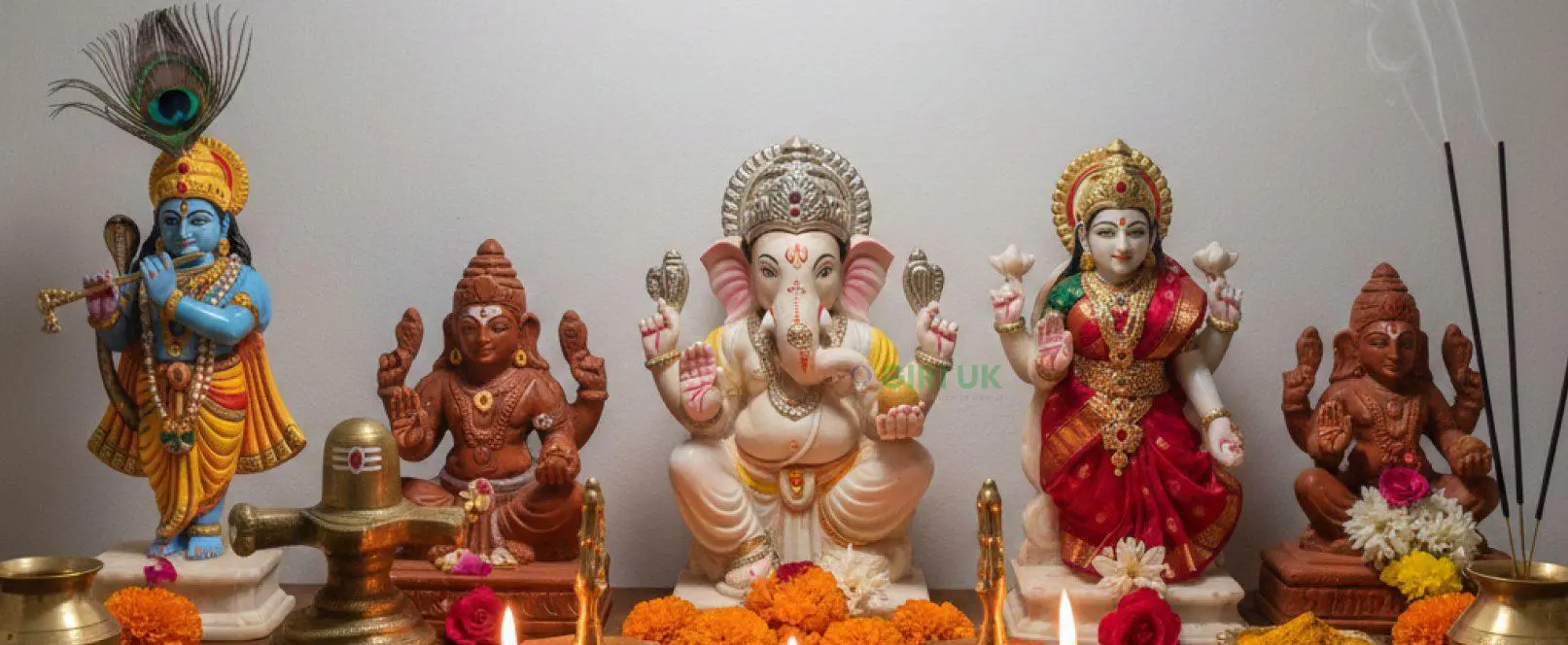
Creating a home shrine with the right Hindu idols is a deeply personal and spiritual process that connects families to their faith and tradition. For Hindu households, particularly those living outside India, such as in the UK, selecting appropriate idols for their home shrine involves thoughtful consideration of deity significance, materials, size, and aesthetics that harmonize with their living spaces and devotional practices. This guide provides clear insights on how to choose the right Hindu idols to create a sacred, meaningful, and beautiful home shrine.
Understand the Significance of Different Deities
The first step in choosing Hindu idols is understanding the significance of various deities and their roles within your family’s worship practices. Many families have an iṣṭa devata or preferred deity, whom they worship primarily, such as Lord Ganesha, Goddess Lakshmi, Lord Vishnu, or Lord Shiva. Each deity embodies unique qualities, blessings, and energies — for example:
- Lord Ganesha symbolizes wisdom and obstacle removal, ideal for new beginnings.
- Goddess Lakshmi represents wealth and prosperity.
- Lord Shiva signifies transformation and spiritual depth.
- Saraswati embodies knowledge and artistic inspiration.
Understanding which deity resonates most helps prioritize which idols to include in your shrine.
Choose the Right Materials
Hindu idols come in various materials, each with its own traditional significance and practical implications.
- Clay and Terracotta Idols: Natural and eco-friendly, often used during festivals like Ganesh Chaturthi and immersed in water after worship. Ideal for devotees seeking sustainable options.
- Brass and Bronze Idols: Durable and traditional, preferred for everyday worship due to their lasting quality and vibrant appearance. These metals are believed to carry positive energy.
- Marble and Stone Idols: Common in home temples and larger shrines, offering a classic aesthetic but requiring stable, spacious placement.
- Wooden Idols and Sculptures: Bring warmth and simplicity and blend well with wooden mandirs or traditional décor.
When selecting materials, consider maintenance, space, and personal preference. Giri UK’s collection includes elegant brass and eco-friendly clay idols suited for UK homes, balancing authenticity and practicality.
Size and Space Considerations
Size matters in home shrines, especially in UK homes where space can be limited. Small to medium-sized idols are best for compact spaces such as wall-mounted mandirs or tabletops. Choose sizes that fit comfortably without overcrowding the shrine, allowing room for additional items like diya lamps, incense holders, and flowers.
For larger homes with dedicated prayer rooms, you can consider bigger idols or groupings of multiple deities. Always ensure your shrine feels balanced — neither cluttered nor sparse.
Look for Craftsmanship and Details
The craftsmanship of an idol affects its spiritual presence and aesthetic appeal. Handcrafted idols with fine detailing often carry deeper devotional value, reflecting the artisan’s devotion and traditional techniques. Smooth finishing, clear facial expressions, and correct iconography make the idol a suitable focal point for meditation and puja.
Giri UK offers a diverse range of meticulously crafted idols that honor traditional symbolism, created by skilled artisans, allowing you to choose pieces that inspire reverence and peace.
Choose Idols that Align with Your Devotional Style
Your daily worship style can influence idol selection. Some households prefer simple, unadorned idols for quiet meditation, while others enjoy vibrantly painted idols with elaborate decoration for festive rituals.
Consider also if you want idols with movable parts (like hands in blessing poses) or accompanied by symbolic animals like Nandi for Shiva or the mouse for Ganesha. These details add layers of meaning to your devotion.
Consider Family and Cultural Traditions
Family traditions often guide idol selection, linking home worship to community rituals and festivals. For example, Tamil families may emphasize Murugan idols, while Bengali homes might focus on Durga or Kali statues. Respecting these traditions helps maintain cultural continuity and enriches the spiritual atmosphere at home.
Maintenance and Durability
Choose idols that are easy to maintain in your living environment. Brass idols, for example, need occasional polishing but last many years. Clay idols may require more care and replacement after festivals. Wooden idols need protection from humidity but add a unique charm.
Wrapping Up
Selecting the right Hindu idols for your home shrine is a blend of spiritual intuition, cultural respect, and practical considerations. Understanding deity significance, choosing suitable materials, fitting your space and style, and honoring family traditions will help you create a sacred space that nourishes your faith and uplifts your home.
Explore the rich collection of idols at Giri UK, where you can find authentic, beautifully crafted deities tailored to the needs of UK homes, making it easier to bring sacred blessings into your daily devotional practice.
Comments