

Indian Dance Costumes: Preserving Tradition Across Generations
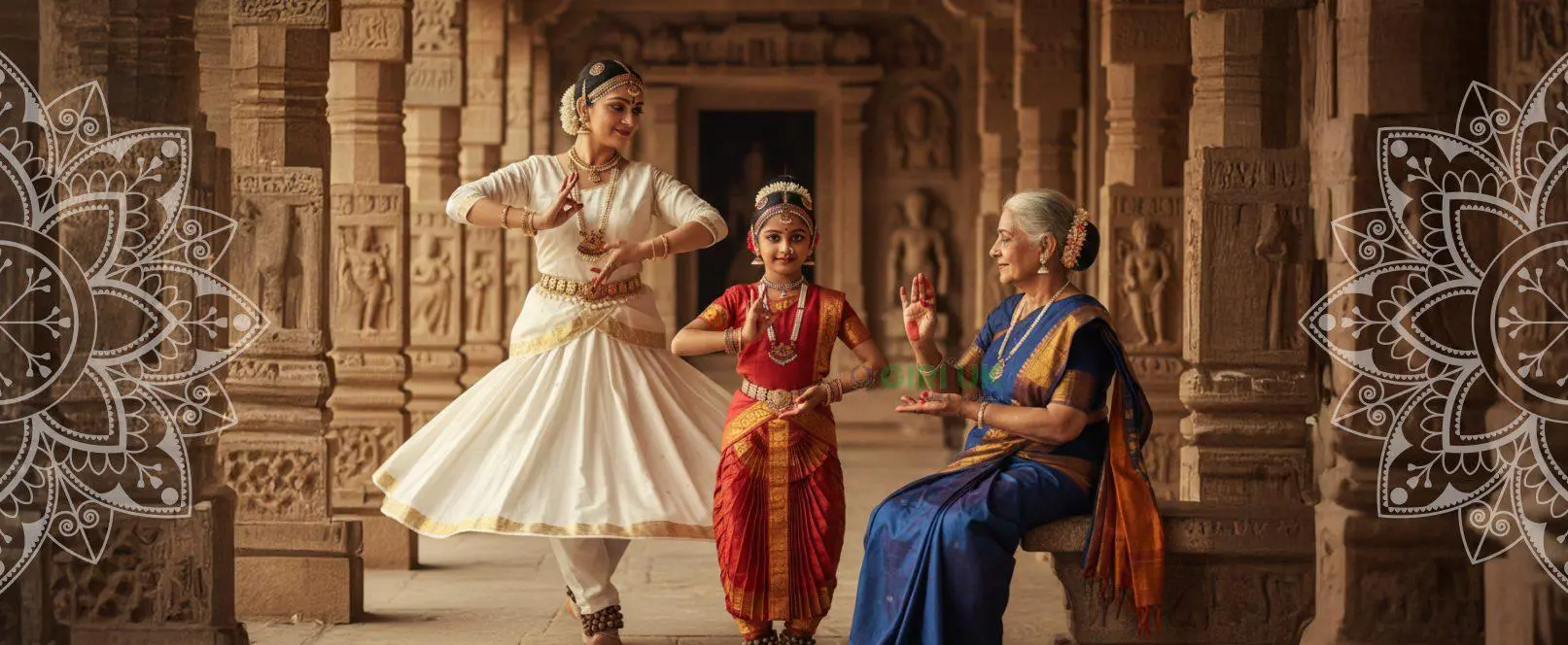
Indian classical dance costumes are a vibrant tapestry of culture, history, and artistry that have been passed down through generations, preserving the spiritual and cultural essence of traditional dance forms like Bharatanatyam, Kathak, Odissi, and more. These costumes are not simply garments but powerful visual expressions that enhance the storytelling and emotive power of the dances. For diaspora communities, including those in the UK, these costumes offer a living connection to India’s rich heritage and a means of preserving identity through symbol, colour, and craftsmanship.
Historical Roots and Cultural Significance
Classical Indian dance costumes have evolved over thousands of years, deeply rooted in ancient texts like the Natya Shastra authored by the sage Bharata. Originally, these costumes were designed to complement the intricate expressions and postures that communicate spiritual stories, often performed in temple rituals. Each dance form reflects its unique regional culture and religious narrative through distinctive attire, representing divine themes and historical traditions.
For instance, Bharatanatyam costumes, typical of Tamil Nadu, feature richly embroidered silk sarees with a special pleated fan that accentuates graceful movements. Kathak costumes from northern India include flowing anarkali suits or lehengas adorned with delicate embroidery, lending fluidity to spins and turns. Traditional Odissi dancers wear white and red sarees inspired by temple sculpture aesthetics, symbolising purity and divinity.
Key Elements of Indian Dance Costumes
- Fabric and Embroidery: Costumes are crafted from luxurious silks, often handwoven and embroidered with zari (gold thread) and intricate patterns symbolising auspiciousness. The use of vibrant colours like red, yellow, and green highlights the cultural vibrancy and invokes spiritual moods.
- Design and Structure: Designed for both beauty and function, costumes include pleats, panels, and borders to highlight the dancer’s footwork, hand gestures, and expressions clearly on stage. The structured draping accentuates choreography, turning every movement into a visual story.
- Ornaments and Accessories: Temple jewellery, including necklaces, earrings, bangles, waist belts (oddiyanam), and headpieces (nethi chutti), complements the costume, lending grandeur and homage to deities depicted during performances.
Preserving Tradition in the UK and Diaspora
For Indian dance learners and performers in the UK, traditional costumes are more than performance wear—they are enduring links to ancestral culture and spirituality. Many UK dance schools and communities emphasise authentic costume use to instil respect for heritage while providing dancers with the proper attire that conveys the dance’s sacred nuances fully.
Artisans and suppliers in the UK often collaborate with Indian fabric masters and jewellery makers to create or import authentic costumes and temple jewellery, ensuring diaspora dancers maintain traditional standards. This access empowers the community to celebrate festivals, recitals, and cultural events with pride and authenticity.
Adaptations and Modern Influences
While tradition remains key, modern influences have introduced subtle adaptations. Contemporary fabrics enhance comfort and durability, and some ensembles incorporate lighter materials better suited for the varied climates faced by diaspora dancers. Innovations in fastenings and fittings accommodate faster costume changes and training needs.
Despite these adaptations, the core principles of costume symbolism, colours, and ornamentation continue to guide design, preserving the essence of Indian classical dance heritage.
The Role of Costume in Storytelling
Indian dance costumes are pivotal in aiding narrative clarity, defining characters, and evoking emotions. Each piece visually cues the audience about the deity or story being portrayed, enriching the theatrical and devotional experience. The shimmer of gold threads, the fan-like pleats, and the rhythmic jingle of anklets combine to create an immersive sensory celebration of culture and faith.
Wrapping Up
Indian classical dance costumes are timeless cultural treasures that weave together tradition, spirituality, and artistry. Their preservation and use within UK and global diaspora communities ensure the vitality and transmission of India’s rich classical dance legacy. By honoring these costumes and their deep symbolism, dancers in every generation continues a vibrant dialogue with the past while inspiring future artistic expression rooted in tradition.
For diaspora practitioners seeking authentic costumes and temple jewellery, resources such as Giri UK provide access to traditional textiles and handcrafted accessories, nurturing the cultural continuity of Indian classical dance across continents.
Comments